Across the world, industries are shifting from basic commodities to high-performance, niche products. This is where specialty chemicals come in. For buyers and investors in India who also work with global markets, understanding how specialty chemical distributors nationwide operate can open powerful business opportunities.
These distributors act as the bridge between complex chemical manufacturers and end users such as paint makers, pharma companies, food processors, and electronics plants. When they have a strong nationwide network, they can support multi-location plants, export-oriented units, and contract manufacturers seamlessly. For Indian investors exploring global supply chains, this is a key growth story to track.
This guide breaks down how such distributors work, what makes a strong partner, and how you can evaluate the business potential in this space, in simple language.
Why Nationwide Coverage Matters So Much
Specialty chemicals are not like basic bulk commodities. They are often tailored for a specific use, such as a coating that can handle high heat, or a food-grade additive that must meet strict purity standards. Because of this, consistent quality and timely supply are critical.
When a distributor has coverage across a large country or region, it brings several advantages that also matter to Indian investors dealing with multiple plants or export markets.
1. Lower Risk of Stock-outs and Downtime
Many plants follow a “just-in-time” model. They do not want to hold too much inventory, as it ties up working capital. However, even one missed delivery can stop a production line. Nationwide specialty distributors usually have regional warehouses closer to customers.
This reduces lead times and transport risks. If one warehouse faces a delay, another region can step in. For an investor, this reliability often shows up as steadier revenues, fewer penalties, and better customer retention for companies that lean on such distributors.
2. Same Quality, Wherever the Plant Is
Many manufacturers in India and abroad operate multiple plants. One may be near Mumbai, another in Gujarat, a third outside India. When each plant sources chemicals from different local traders, variations in quality can become a real issue.
Specialty chemical distributors nationwide can standardise supply. They work with the same approved manufacturers, follow common handling practices, and maintain proper testing and documentation. This gives plant managers confidence that a formula developed in one lab will behave the same in all locations.
3. Strong Grip on Compliance and Safety
Chemicals are highly regulated. There are rules on labelling, storage, transport, worker safety, and disposal. These rules differ from region to region. Large national distributors usually maintain dedicated compliance teams and clear processes to stay aligned with evolving standards.
For Indian investors watching global trends, this is important. Companies that respect compliance early tend to avoid costly fines and disruptions later. They also become preferred partners for multinational customers who value safe, traceable supply chains.
Key Service Pillars of Leading Distributors
Not all chemical distributors are equal. The leaders in this space usually build their business on a few strong pillars. Understanding these pillars helps investors judge which companies are likely to grow steadily.
4. Regional Warehousing and Smart Logistics
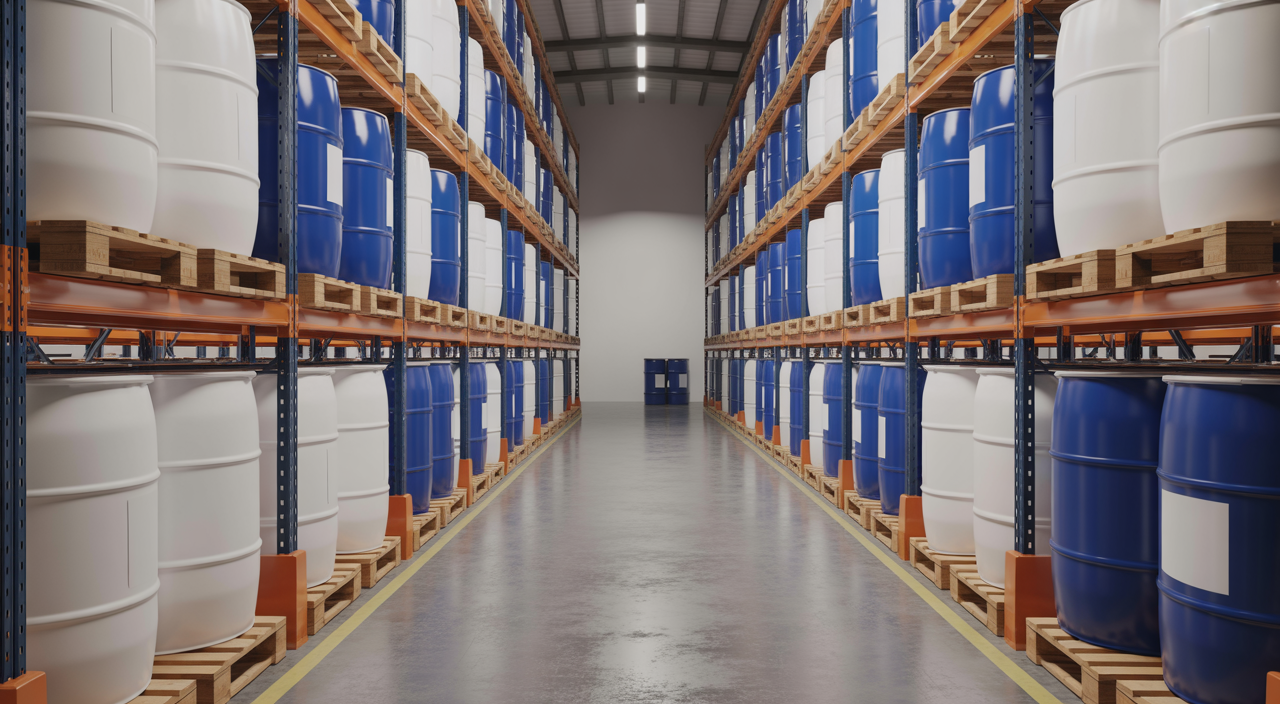
Efficient warehousing is more than just renting storage space. A good distributor plans stock levels based on customer demand patterns, seasonal trends, and industry cycles. They use proper temperature control, segregation of hazardous classes, and modern tracking systems.
For investors, look for companies that speak clearly about their logistics planning, not only the number of warehouses. Strong logistics often show up in higher inventory turns and better margins.
5. Technical and R&D Support
Specialty chemicals often need technical guidance. A customer may want to switch to a lower-VOC coating, a cleaner surfactant, or a more efficient additive. Distributors that employ trained chemists and application specialists can work closely with customers on trials, reformulations, and troubleshooting.
This technical depth sets them apart from pure traders. It increases customer loyalty and allows value-based pricing instead of simple price competition.
6. Custom Packaging and Repacking
Some customers need bulk tankers. Others need small pails, drums, or intermediate bulk containers. A strong distributor can provide flexible packaging solutions while keeping product integrity intact.
For investors, this flexibility often means the company can serve a wider customer base, from small job shops to large multinationals, using the same product portfolio.
How Indian Investors Can Evaluate a Specialty Chemical Partner
Whether you are investing in a listed chemical company, partnering with a distributor to serve your factories, or studying overseas models to replicate in India, a simple checklist can help.
- Certifications: Look for quality and safety certifications, as well as evidence of regular audits.
- Supply chain transparency: Do they share clear information on sourcing, testing, and tracking?
- Diversity of industries served: Serving coatings, pharma, food, and electronics spreads risk.
- Technology adoption: Online portals, digital tracking, and data dashboards can be strong plus points.
Reading case studies, even short ones, is useful. For example, a distributor that helped a food-grade manufacturer cut overall supply costs by consolidating multiple small suppliers into one national contract shows real value creation.
Opportunities for Indian Investors
For Indian investors, the model used by successful specialty chemical distributors nationwide offers two main paths. One is direct investment in such companies, locally or abroad, where regulations permit. The second is adapting best practices to Indian markets, such as building multi-city distribution hubs with strong compliance and technical support.
As manufacturing in India moves up the value chain, demand for speciality inputs will grow. Learning from global leaders in this niche distribution segment can help investors identify early winners. Articles on topics like how specialised distribution models scale profitably can provide extra perspective on this pattern.
You can also study how service-focused businesses create long-term relationships and recurring revenue. A good example is how some firms blend logistics, consulting, and technology, much like described in this guide on partnering with expert logistics providers for business growth.
Frequently Asked Questions
Q1. What is the main difference between a specialty chemical distributor and a normal chemical trader?
A specialty distributor focuses on higher-value, performance-based products rather than basic commodities. They usually offer technical support, strict quality control, tailored packaging, and strong compliance systems. A normal trader often focuses on price and basic supply, with less emphasis on technical service.
Q2. Why should Indian investors study specialty chemical distributors nationwide in other countries?
Studying these distributors helps investors understand how value is created in advanced supply chains. Many of these practices, such as regional warehousing, strong compliance, and technical support teams, are directly relevant to India as manufacturing upgrades. This knowledge can guide both stock selection and business strategy.
Q3. How can a manufacturer choose the right specialty chemical distributor?
Key factors include reliable delivery, consistent product quality, strong safety standards, and the ability to provide technical advice. It is also wise to review their customer mix, financial stability, and how quickly they respond to urgent needs. A trial project at one plant before a wider rollout is a practical approach.