

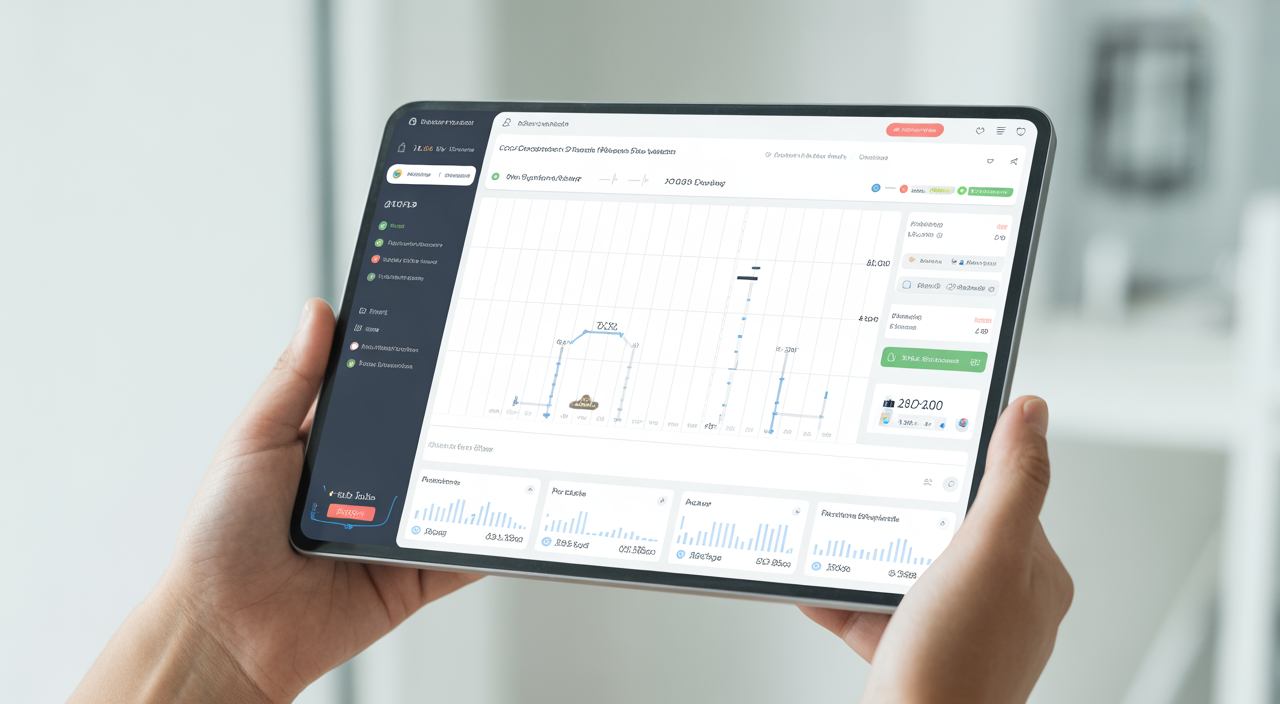
A construction project tracking platform is a digital tool that shows you, in real time, what is happening on every site. It connects your schedules, budgets, drawings, and field updates in one place so you can control cost, time, and quality.
Modern builders use a construction project tracking platform to replace scattered spreadsheets, WhatsApp chats, and paper reports. This helps you see progress by task, catch delays early, and avoid last-minute firefighting. When used well, it can reduce rework, improve cash flow, and make every project more predictable.
In this guide, you will learn what features matter most, how to read the real return on investment, and how to roll out a new system smoothly across your teams and contractors.
Why Real-Time Construction Tracking Matters
Even experienced contractors face common problems. Site updates arrive late. Drawings change but do not reach everyone. Bills and budgets are checked only at the end of the month. By then, it is too late to fix issues.
A good construction management platform gives you live visibility into site progress. You can see which activities are ahead or behind schedule, what materials are short, and where labour is underused. This helps you take small corrective actions early, before they become big headaches.
For Indian builders juggling multiple sites in different cities, real-time tracking is even more valuable. It cuts down travel time, lets head office monitor each project on a dashboard, and supports faster decisions during client review meetings.
Core Features To Look For In A Construction Project Tracking Platform
Not all tools are built the same. When you evaluate options, focus on features that directly protect your time and money.
1. Strong Scheduling And Task Management
Look for simple but powerful construction scheduling software. You should be able to create task lists, assign responsibilities, and link tasks in a timeline view, such as a simple Gantt chart. This helps everyone know what to do today, this week, and this month.
Key points to check:
- Daily and weekly task lists for each engineer and contractor
- Milestones for approvals, inspections, and handovers
- Automatic alerts when tasks are overdue or at risk
2. Budget And Cost Control Tools
A tracking platform should help you control money, not just time. Project budget control starts with clear cost codes and a live link between the schedule and spending. When labour or material costs cross a set limit, you should get a prompt warning.
Useful cost features include:
- Live budget vs actual dashboards for each project
- Simple cost capture from site, like labour hours and small purchases
- Integration with your accounting software for smooth invoicing
3. Mobile Site Data Capture
Your teams spend more time on the jobsite than in the office. They need a simple mobile app for jobsite data capture. With it, they can upload photos, update task status, fill checklists, and log issues from their phones.
This improves site progress tracking because information flows instantly to planners and management. It also creates a digital construction log of what happened each day, which is very useful when clients or consultants raise claims later.
4. Jobsite Collaboration And Communication
Good jobsite collaboration tools reduce confusion. Instead of multiple message groups, you can keep all project conversations attached to tasks or drawings. Everyone sees the latest decision in one place.
Look for:
- Comment threads under each task or issue
- Document sharing for drawings, BOQs, and method statements
- Clear change request workflows with approvals
5. Integrations And Automation
To truly digitise your construction workflows, the platform should connect with other tools you use. This is called integration. For example, you may want to connect to accounting, estimation, or HR systems.
Basic integration benefits include:
- Automatic import of vendor bills into accounts
- Syncing client details and contracts from your CRM
- Standard reports generated without manual data entry
Even simple automation, such as auto-generating daily reports or sharing progress summaries with clients, saves hours every week.
Understanding The Real ROI Of A Tracking Platform
Many builders ask, “Is this software cost really worth it?” The answer lies in clear numbers. A strong platform often pays for itself many times over by cutting waste and delays.
Here are areas where you can measure return on investment:
- Time saved: Site engineers spend less time on paperwork and more on supervision.
- Fewer delays: Early alerts about slippage let you adjust manpower or shift work quickly.
- Lower rework: Everyone works from the latest drawings, so mistakes reduce.
- Better cash flow: Faster, accurate billing based on live progress improves collections.
Even a 5–10% saving on project cost or duration, repeated across multiple sites, can be significant for Indian developers and contractors.
How To Choose The Best Platform For Your Business
When you compare options, keep your own business model in mind. A homebuilder working on villas has different needs than a contractor building factories or commercial towers.
- List your must-haves: For example, strong scheduling, multi-site dashboards, or simple client reporting.
- Check ease of use: Can junior engineers learn it in a few hours? A friendly interface is key.
- Review support: Look for strong onboarding, local training, and quick help when needed.
- Think long term: Choose a platform that can grow with you as you take on bigger or more complex projects.
Reading guides on efficiency, like this article on how to maximize productivity in your office space, can also give simple ideas on organising teams and workflows that apply to construction sites as well.
Step-By-Step Plan To Implement Your New Platform
Rolling out a new system does not have to be stressful. A clear, phased plan makes adoption smooth across your teams and subcontractors.
- Start with one pilot project: Choose a site where the team is open to change. Use this to test features and refine your processes.
- Define standard workflows: Decide how you will create tasks, approve drawings, log issues, and close activities. Keep it simple at first.
- Train your champions: Identify a few tech-friendly engineers and project managers. Train them deeply so they can support others.
- Set clear success metrics: For example, target fewer delayed tasks, quicker reporting, or higher client satisfaction.
- Review and expand: After a few months, review what worked, make small adjustments, and then roll out to more projects.
It also helps to study how digital tools change other industries. Resources on the benefits of working in a coworking space show how shared platforms and transparent information can boost collaboration, which is very similar to what you want on your jobsite.
Practical Tips For Indian Builders And Contractors
For Indian investors, developers, and contractors, a construction project tracking platform can become a key competitive advantage. Transparency and control help you deliver on time, which keeps clients and financial partners happy.
- Use dashboards regularly in review meetings with your team, lenders, and clients.
- Encourage site staff to log small issues early, before they grow into disputes.
- Standardise templates for checklists, reports, and RFIs across all projects.
- Review data every quarter to refine your planning for future projects.
FAQs About Construction Project Tracking Platforms
Q1. How long does it take to onboard my team?
Most teams can learn the basics in a few days if the platform is user-friendly. Start with core features like task updates, photos, and daily reports. Then, introduce advanced tools such as budget tracking and integrations once the team is comfortable.
Q2. Is a platform useful for smaller projects as well?
Yes. Even for small sites, a tracking tool helps you avoid confusion, reduce rework, and present a professional face to clients. The habits your team builds on small projects will make large, complex jobs much easier to manage later.
Q3. What should I check about data security?
Check where your data is stored, how it is backed up, and who can access it. A reliable provider will offer strong access controls, regular backups, and clear policies on data privacy so that your drawings, contracts, and financial details stay protected.