

What is a sand dredge and how do you choose the right one?
If you are planning a mining, river, or coastal project, choosing the right sand dredge can decide how profitable and smooth your work will be. The wrong choice can mean delays, high fuel bills, and frequent breakdowns. The right choice gives you steady production, low maintenance, and predictable cash flow.
This guide walks you through what a sand dredge is, how it works, the main types, and practical selection tips. The focus is on clear, non-technical language so that project managers, investors, and contractors can make confident decisions.
Whether you manage a river sand mining lease, a coastal nourishment job, or an industrial pond, this overview will help you shortlist the best options and prepare better questions for equipment suppliers.
What is a sand dredge?
A sand dredge is a machine that removes sand and sediment from under water and pumps it to another location. It can work in rivers, lakes, ports, mining ponds, or offshore areas. In simple words, it is like a powerful underwater vacuum combined with a cutting tool.
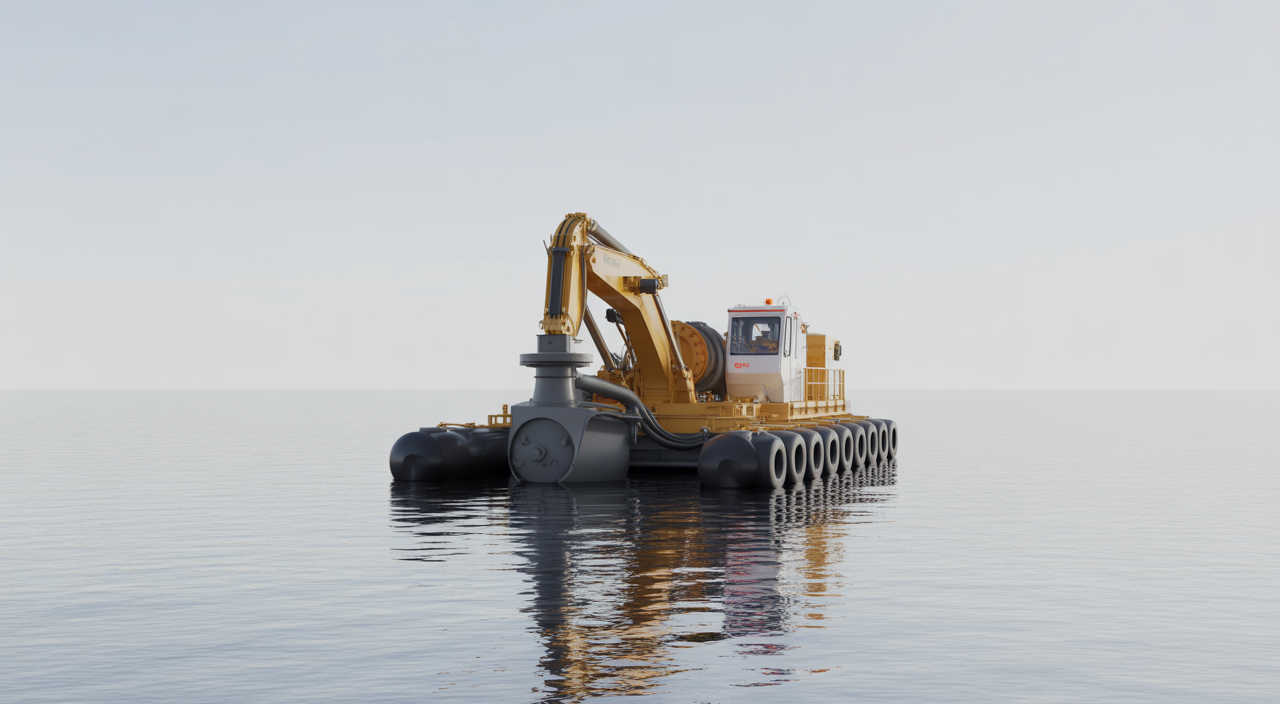
Most sand dredges sit on a floating platform called a pontoon or barge. A pump, engine, cutter head, and pipes or hoses form the main system. Operators control the machine from a cabin or by remote control.
Compared with general-purpose dredgers used for deep seaports, sand dredges are usually designed for higher production of sand-sized material and often work in shallower or confined areas such as rivers or borrow pits.
How a sand dredge works, step by step
While designs differ, the basic dredging sand process is similar across most models.
- Positioning: The dredge is anchored or moved into the target area using spuds (vertical poles), winches, or a tug boat.
- Cutting or loosening: A rotating cutter head or suction head loosens sand and sediment at the riverbed or seabed.
- Suction and pumping: A powerful mining dredge pump sucks the mixture of water and sand, known as slurry, and pushes it through a pipeline.
- Transport: The slurry travels through floating and shore pipes to the discharge point such as a stockpile, processing plant, or beach.
- Deposition: Sand settles at the destination, while water drains or is returned to the source as per permits.
This process may run 24/7 on large projects, so reliability, fuel efficiency, and easy maintenance are critical for good returns.
Major types of sand dredges and best use cases
Cutter suction dredger
A cutter suction dredger combines a rotating cutter head with a strong suction dredging machine. The cutter head breaks compacted sand, silt, or clay, and the pump moves it through a pipeline.
Best for:
- River sand mining
- Canal deepening and industrial pond dredging
- Projects with mixed or compacted soils
For Indian rivers with varying sediment, this design gives flexibility and high production while still being easy to transport in modular sections.
Trailing suction hopper dredger
A trailing suction hopper dredger is a self-propelled ship with long suction pipes. It sails slowly along a route, sucks material into an internal hopper, then sails to a disposal or placement area to unload.
Best for:
- Large coastal sand mining and channel maintenance
- Deep-water beach nourishment dredge work
- Offshore borrow areas far from shore
These vessels suit mega coastal protection or port expansion projects, but they usually involve very high capital and are less common for smaller private operators.
Trailer and portable dredgers
Trailer dredge units and other portable dredger designs focus on mobility. They can be loaded on trucks, assembled quickly, and used on multiple sites in a year.
Best for:
- Smaller sand mining leases
- Rental fleets serving different clients
- Remote or shallow ponds and lakes
For Indian contractors who win short-term contracts in different states, a compact, road-transportable unit often gives the best balance between cost and flexibility.
Specialised gold and beach nourishment dredges
Gold dredge systems target fine heavy minerals, using special recovery equipment such as sluice boxes and screens. Beach nourishment units are tuned for handling large volumes of clean sand for shoreline rebuilding.
Both are niche categories, but the base technology is similar: hydraulic dredging equipment that moves sand efficiently and consistently.
Key selection criteria when buying or renting a sand dredge
Before you sign a purchase order, spend time on these practical points.
- Production capacity: Match cubic metres per hour to your monthly tonnage target and contract timeline. Oversizing wastes money, undersizing causes delays.
- Dredging depth and reach: Check the maximum working depth and how easily it can be adjusted for seasonal water-level changes.
- Pump power and pipeline length: Higher power lets you pump further or higher, but also means more fuel. Balance pump size with realistic discharge distance.
- Mobility and transport: Can the unit be moved on Indian roads without special permissions? Modular pontoons and trailer-friendly designs reduce logistic headaches.
- Fuel and maintenance costs: Ask for real fuel-consumption and wear-part replacement data from similar projects, not only brochure numbers.
- Local support: Availability of technicians, spare parts, and training in your region can be more valuable than a small discount on purchase price.
Environmental and regulatory considerations
Sand mining dredging is closely watched by environmental and local authorities. A clear compliance plan protects your investment and reputation.
Basic permitting checklist:
- Environmental impact assessment as required by local rules
- Approvals from water, mining, and coastal regulators
- Sediment testing if contamination is possible
- Plans for discharge water quality and silt control
Good practice to minimise impact:
- Use precise positioning and automation to avoid over-dredging
- Control turbidity with proper discharge design and, where needed, silt curtains
- Schedule work to respect fish breeding seasons and local community needs
For more ideas on balancing technology and responsibility, you may like this discussion on how technology reshapes industries over time.
Maintenance and safety best practices
A well-planned maintenance routine keeps your equipment running and protects your crew.
Preventive maintenance tips:
- Daily checks on oil levels, filters, hoses, and pump seals
- Regular inspection of wear parts such as cutter teeth and liners
- Scheduled servicing of engines and hydraulic systems as per hours run
Safety essentials:
- Clear start-up and shutdown procedures
- Life jackets, guardrails, and non-slip walkways on all pontoons
- Training for operators on emergency response and basic repairs
Trending innovations in sand dredge technology
Recent designs focus on higher output with lower operating cost and better data.
- Remote and automated control: Remote-controlled units reduce manpower on the water and improve consistency.
- Energy-efficient pumps: New impeller designs cut fuel use while maintaining dredge pump performance.
- Real-time monitoring: Sensors track production, fuel use, and location, letting you optimise each shift.
These advances fit into a wider shift where smart tools and data reshape how businesses work, similar to the trends discussed in this guide to modern controllers that streamline complex systems.
FAQs about sand dredges
Q1. How long does a typical sand dredge last?
With proper care, a quality unit can serve 10 to 20 years. The hull and main structure often last even longer, while pumps, hoses, and wear parts need periodic replacement. Life depends heavily on sediment abrasiveness, maintenance quality, and operating practices.
Q2. Is it better to buy or rent a small dredger for a short project?
If your project runs for only a few months and you do not have confirmed future contracts, rental may be more sensible. For contractors with a pipeline of jobs or long-term mining leases, purchasing gives better control and long-term savings, especially when financed smartly.
Q3. What training does my team need to run a sand dredge safely?
Operators should learn equipment start-up and shutdown, basic troubleshooting, pump and engine care, and emergency procedures. Many suppliers offer on-site commissioning and training packages, which are worth including in your negotiation to protect both people and equipment.
Conclusion
A modern sand dredge is more than a machine; it is the heart of your production system in any water-based sand project. By understanding how different types work, matching specs to your real conditions, and planning for compliance and maintenance, you can turn a complex investment into a steady, long-term asset.


